


Handing your keys to an auto transport company can feel stressful when you want your vehicle delivered without a single scratch. You deserve complete peace of mind knowing your vehicle receives expert care every mile of the journey. This ultimate guide reveals how to ship your car safely without hidden fees or unexpected delays.
We walk you through vetting carriers, preparing your vehicle, and tracking delivery step by step. Following our proven strategies allows you to ship your car safely across any distance while protecting your investment. Dive into these expert guidelines to learn how to ship your car safely and enjoy a smooth, worry-free transport experience today!
Pick a Reliable Car Moving Business
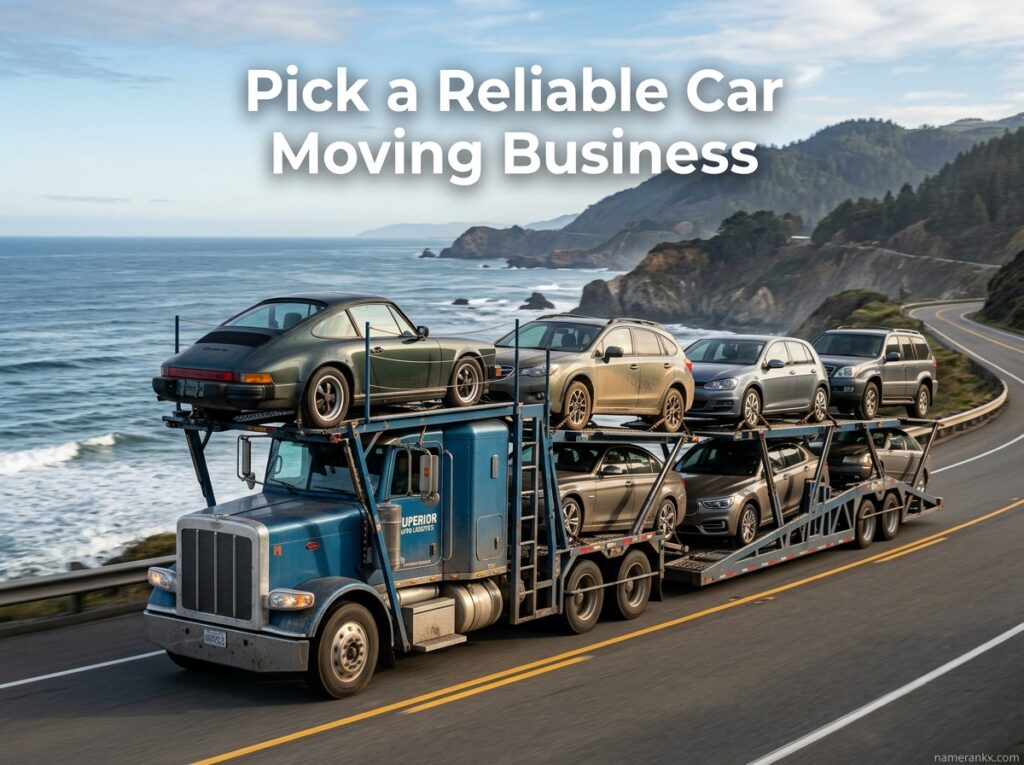
Finding a trustworthy auto transport company forms the foundation of a successful vehicle move. You should research verified customer feedback, check federal registration numbers, and verify active motor carrier authority before signing a contract. Reputable haulers provide transparent pricing without demanding full upfront cash payments or hidden service fees.
Comparing quotes from multiple vetted carriers helps you understand standard market rates. Avoid unusually low bids because questionable brokers often use underpriced estimates to trap desperate customers. Choosing an experienced auto moving company guarantees professional drivers and proper transport equipment for your vehicle.
- Safe Transit Logistics
- Apex Auto Shippers
- Ironclad Car Transport
- Guardian Auto Movers
- Vanguard Vehicle Hauling
- True North Auto Transport
- Shielded Route Logistics
- Reliable Road Haulers
- Fortress Auto Logistics
- Prestige Car Carriers
- Secure Drive Hauling
- Benchmark Auto Transport
- Paragon Vehicle Shippers
- TrustPoint Auto Movers
- Sentinel Car Transport
- Heritage Auto Logistics
- Summit Vehicle Carriers
- Horizon Auto Shippers
- Pinnacle Road Transport
- Dependable Drive Logistics
- Premier Auto Freight
- Valor Vehicle Transport
- Anchor Auto Logistics
- CrossCountry Car Movers
- Direct Route Shippers
- Golden Gate Auto Transport
- Interstate Secure Hauling
- Landmark Vehicle Shippers
- Liberty Auto Express
- Meridian Car Haulers
- Nationwide Safe Transit
- Nomad Auto Logistics
- Odyssey Vehicle Transport
- Pacific Crest Auto Shippers
- Patriot Car Hauling
- Pioneer Auto Freight
- Precision Drive Shippers
- Quantum Auto Transport
- Redline Vehicle Carriers
- Royal Crown Auto Movers
- Select Auto Logistics
- Signal Car Transport
- Skyline Auto Freight
- Sterling Vehicle Shippers
- Swift Shield Transport
- Titan Auto Logistics
- Topline Car Carriers
- Transit Guardian Shippers
- Tri-State Auto Hauling
- United Express Car Transport
- Vector Vehicle Logistics
- Velocity Auto Shippers
- Visionary Car Transport
- Wayfinder Auto Logistics
- West Coast Car Carriers
- Zenith Auto Freight
- Alpha Auto Shippers
- Blue Ribbon Car Transport
- Centurion Auto Logistics
- Dominion Vehicle Movers
Learn Options for Getting Around
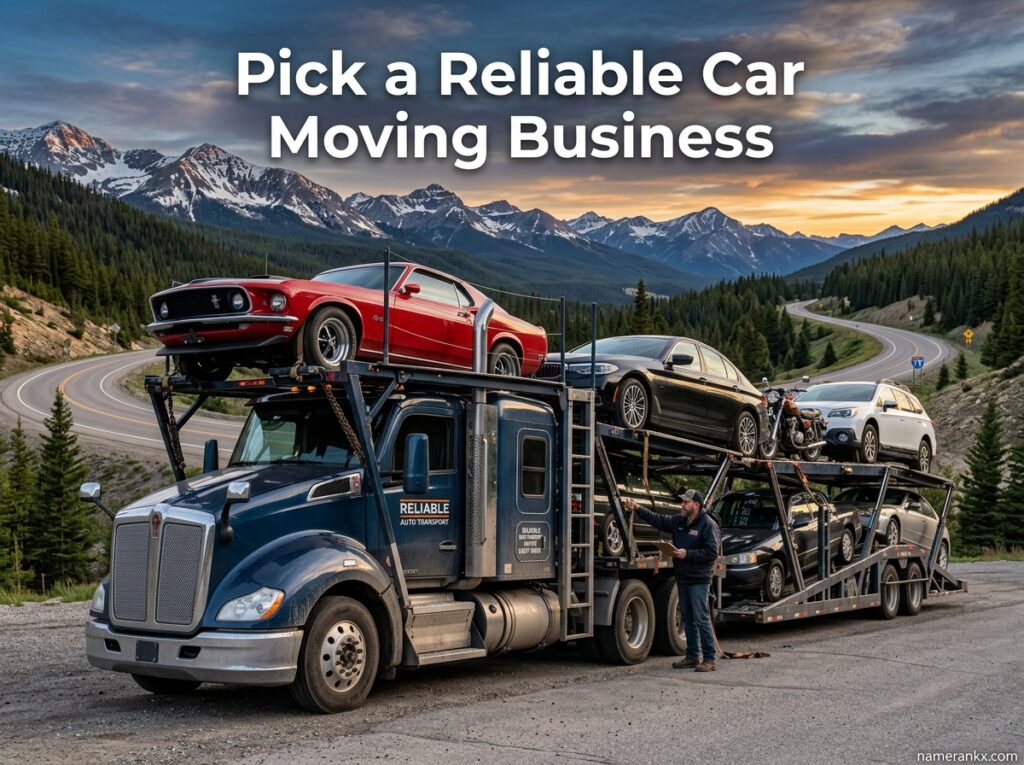
Understanding your transport options empowers you to select the ideal balance between cost and protection. Open carrier transport remains the most popular choice for standard sedans and SUVs due to its affordability and widespread availability. Eight to ten vehicles travel on an open double-decker trailer, exposing them to standard weather and road debris.
Enclosed auto shipping provides maximum protection for luxury, classic, or customized vehicles. Fully covered trailers shield your car from harsh weather, road gravel, and ambient dirt during long journeys. Evaluating your vehicle’s value, transit distance, and personal budget dictates whether open or enclosed transport serves you best.
- Open Carrier Transit
- Enclosed Trailer Transport
- Single Vehicle Express
- Door-to-Door Delivery
- Terminal-to-Terminal Freight
- Expedited Auto Shipping
- Covered Multi-Car Transport
- Low-Boy Flatbed Hauling
- Enclosed Hard-Side Transport
- Soft-Side Covered Shipping
- Climate-Controlled Transport
- Top-Deck Open Carrier
- Drive-Away Auto Service
- Containerized Car Freight
- Roll-On Roll-Off Shipping
- Cross-Country Flatbed
- Custom Luxury Hauling
- Exotic Car Transport
- Vintage Auto Express
- Motorcycle & Car Combined
- Oversized Vehicle Shipping
- Inoperable Auto Hauling
- Winch-Assisted Loading
- Enclosed Single-Car Pod
- Intermodal Auto Freight
- Rail Auto Transport
- Air Freight Auto Express
- Hotshot Auto Hauling
- Regional Transport Route
- Coast-to-Coast Express
- Dedicated Auto Trailer
- Shared Enclosed Carrier
- Priority Flatbed Freight
- Heavy-Duty Car Transport
- Low-Clearance Vehicle Hauling
- Two-Car Enclosed Pod
- Enclosed Liftgate Transport
- Stacked Trailer Freight
- Non-Gated Open Carrier
- Side-Loading Enclosed Trailer
- Curtainsider Car Transport
- Protected Ramp Shipping
- Secured Wheel-Chock Hauling
- Direct-Flight Vehicle Express
- Ocean Vessel Auto Freight
- Barge Car Transport
- Regional Shuttle Freight
- Metro Door-to-Door Delivery
- Suburban Terminal Transit
- Long-Haul Interstate Carrier
- Express Tow Transport
- Covered Wheel-Lift Service
- Fully Enclosed Double-Decker
- Hydraulic Liftgate Shipping
- Protected Deck Transport
- Secure Tie-Down Freight
- Enclosed Box Trailer
- Specialized Racecar Transport
- Show-Car Covered Express
- Commercial Fleet Transport
Thoroughly review your insurance coverage

Verifying auto transport insurance coverage protects your finances against unexpected accidents or cargo damage. Professional haulers carry carrier liability insurance that covers damage occurring while your vehicle resides on their trailer. Request a formal certificate of insurance directly from the transporter and verify policy limits with their insurer.
Your personal auto insurance policy may also offer supplemental coverage while your car undergoes transit. Review your comprehensive deductible and ask your insurance agent if transport exclusions apply to your policy. Having written confirmation from both carrier and personal insurers prevents unpleasant coverage surprises during transit claims.
- Comprehensive Carrier Shield
- Full Cargo Indemnity
- Zero-Deductible Transport Policy
- Total Loss Protection
- Transit Liability Guarantee
- Primary Cargo Insurance
- Contingent Auto Coverage
- Marine & Transit Endorsement
- Full Value Vehicle Protection
- All-Risk Cargo Insurance
- Supplemental Transit Cover
- Carrier Liability Policy
- Claims-Free Transport Guarantee
- Direct Cargo Protection
- Enclosed Freight Insurance
- Gap Coverage Transport
- High-Value Auto Rider
- Indemnity Bond Protection
- On-Deck Cargo Shield
- Personal Auto Transit Rider
- Premier Cargo Guarantee
- Full Replacement Coverage
- Secure Transit Policy
- Third-Party Cargo Shield
- Total Transit Protection
- Value Appraised Insurance
- Comprehensive Damage Cover
- Door-to-Door Cargo Rider
- Interstate Freight Shield
- Multi-Vehicle Cargo Policy
- Open Trailer Insurance Rider
- Premium Vehicle Protection
- Real-Time Cargo Coverage
- Special Event Transit Rider
- Transporter Liability Bond
- Ultimate Auto Shield
- Vehicle In-Transit Cover
- Accelerated Claims Policy
- Full Surface Protection
- Guaranteed Cargo Coverage
- Fleet Cargo Indemnity
- Classic Car Transit Rider
- Luxury Auto Cargo Shield
- Overseas Shipping Insurance
- Rail Freight Auto Cover
- Air Freight Cargo Policy
- Flatbed Transit Protection
- Inoperable Vehicle Rider
- Transport Delay Protection
- Storage-In-Transit Shield
- Enroute Cargo Guarantee
- Complete Road Protection
- Uninsured Transporter Rider
- Comprehensive Trailer Shield
- Full Bodily & Cargo Cover
- Secure Route Insurance
- Total Vehicle Indemnity
- Transit Accident Shield
- Valued Inventory Cover
- Zero-Deductible Cargo Rider
Get your Car Ready for Shipping
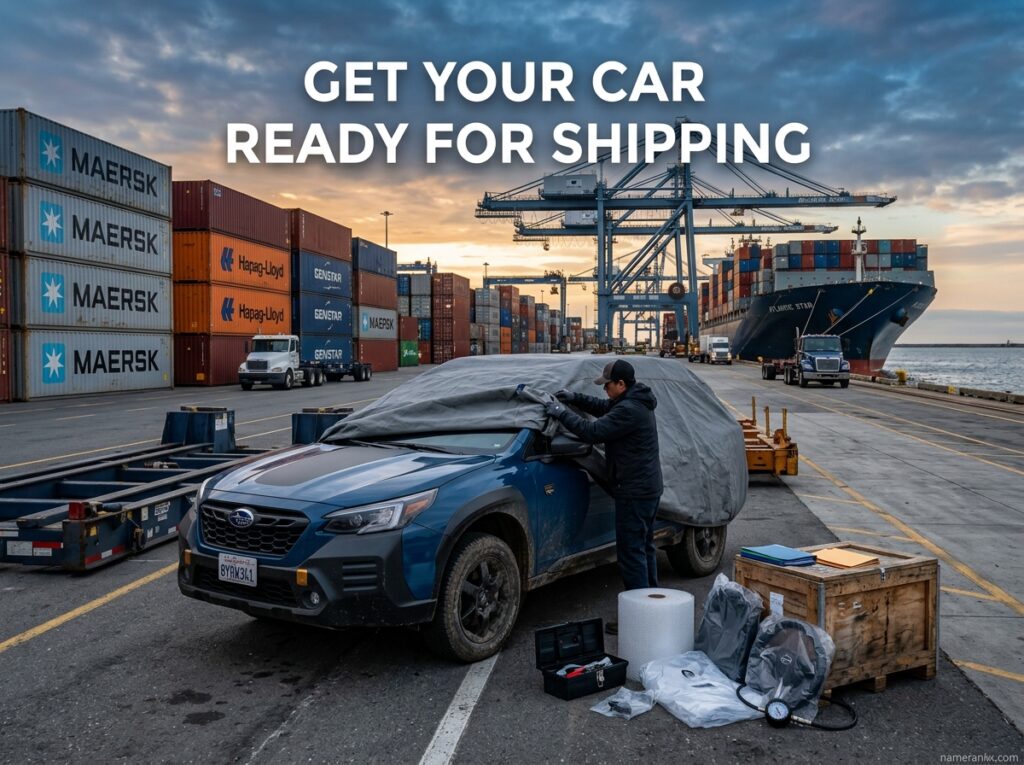
Proper vehicle preparation ensures smooth loading and minimizes transit damage risks during shipment. Clean your car thoroughly inside and out so pre-existing scratches, dents, and chips remain clearly visible. Remove all personal belongings, toll passes, and loose aftermarket accessories to prevent interior damage or theft.
Check mechanical basics to ensure your vehicle handles loading safely without dripping fluids on other cars. Maintain your fuel tank at roughly one-quarter full to minimize transport weight while ensuring sufficient gas for driving on and off trailers. Securing loose parts and setting proper tire pressures guarantees a safe loading process.
- Clean Wash Inspection Prep
- Quarter-Tank Fuel Level
- Personal Item Removal
- Toll Pass Deactivation
- Alarm System Disarm
- Battery Charge Check
- Fluid Leak Inspection
- Tire Pressure Calibration
- Loose Accessory Removal
- Convertible Top Securement
- Antenna Retraction
- Side Mirror Folding
- Pre-Trip Mechanic Check
- Undercarriage Inspection
- Spare Key Duplication
- Emergency Brake Test
- Mileage Record Capture
- Exterior Cleaning Scrub
- Interior Vacuuming Sweep
- Glovebox Clearance
- Aftermarket Spoiler Removal
- Custom Audio Securing
- GPS Device Detachment
- Parking Pass Removal
- Trunk Clearance Check
- Wheel Cap Tightening
- Window Sealing Test
- Windshield Crack Check
- Wiper Blade Securing
- Convertible Latch Lock
- Custom Wrap Protection
- Fluid Cap Tightening
- Headlight Cover Check
- License Plate Securing
- Lowered Suspension Adjustment
- Oil Level Verification
- Radiator Coolant Check
- Roof Rack Detachment
- Running Board Securing
- Spare Tire Fastening
- Tool Kit Removal
- Transmission Fluid Check
- Brake Line Inspection
- Clean Glass Wipe
- Door Latch Test
- Fuel Cap Securing
- Horn Operation Check
- Ignition Key Labeling
- Mirror Alignment Check
- Paint Inspection Clean
- Seat Cover Removal
- Tailpipe Fastening Check
- Tire Tread Verification
- Trunk Latch Lock
- Undercoat Inspection
- Wheel Alignment Test
- Window Roll-Up Check
- Battery Terminal Secure
- Bumper Clearance Check
- Detachable Panel Removal
Examine and Record Every Detail
Thorough inspection documentation serves as your legal protection against vehicle damage claims. Conduct a joint walkthrough with the transport driver before loading your vehicle onto the trailer. Note every existing scratch, paint chip, or dent directly on the official Bill of Lading inspection sheet.
Take high-resolution, time-stamped photographs and videos of your car from all exterior angles. Capture clear close-ups of the odometer, dashboard warning lights, rims, and pristine body panels under bright sunlight. Retain physical and digital copies of signed inspection records until delivery completes successfully.
- Bill of Lading Documentation
- Time-Stamped Photo Record
- 360-Degree Video Walkaround
- Odometer Reading Capture
- Pre-Existing Scratch Log
- Paint Chip Inventory
- Rim Damage Inspection
- Glass Chip Audit
- Dashboard Light Check
- Bumper Condition Log
- Undercarriage Photo Log
- Roof Panel Inspection
- Door Edge Damage Check
- Convertible Top Inspection
- Interior Condition Audit
- Tire Condition Record
- Mirror Damage Check
- Headlight Lens Audit
- Taillight Housing Check
- Spoiler Condition Log
- Trim Molding Inspection
- Sunroof Seal Audit
- Grille Damage Record
- Fender Condition Check
- Hood Panel Inspection
- Trunk Lid Audit
- Quarter Panel Record
- Running Board Check
- Fuel Door Inspection
- Wheel Well Photo Log
- Time-Stamped Video Audit
- Pre-Loading Sign-Off
- Post-Loading Checksheet
- Joint Walkthrough Record
- Driver Inspection Signature
- Owner Inspection Copy
- Digital Audit Folder
- High-Res Photo Backup
- Cloud Inspection Upload
- Detailed Defect Map
- Surface Scratch Chart
- Dent Location Diagram
- Paint Condition Report
- Glass Condition Sheet
- Wheel Condition Log
- Tire Depth Record
- Interior Stain Audit
- Leather Tear Check
- Dashboard Crack Log
- Door Handle Inspection
- Emblem Condition Record
- Exhaust Tip Audit
- Lower Lip Photo Check
- Side Skirt Inspection
- Window Tint Audit
- Wiper Arm Condition Log
- Alignment Mark Photo
- Key Fob Count Record
- Fluid Leak Photo Log
- Final Pre-Shipment Audit
Make ahead your shipping schedule
Planning your transport schedule well in advance prevents costly rush fees and booking headaches. Auto haulers require flexible windows for pickup and drop-off to navigate traffic, weather, and regulations safely. Booking your shipment three to four weeks early guarantees availability along popular shipping routes.
Avoid tight delivery deadlines tied to house closings or flight departures without building buffer days. Seasonal demand shifts, like snowbird migrations, heavily influence carrier availability and regional shipping costs. Setting realistic timing expectations reduces moving stress and keeps your vehicle transport on track.
- Early Booking Reservation
- Flexible Delivery Window
- Peak Season Pre-Planning
- Four-Week Lead Schedule
- Off-Peak Route Timing
- Buffer Day Strategy
- Priority Pickup Window
- Scheduled Route Booking
- Timely Dispatch Reserve
- Expedited Transit Schedule
- Direct Route Planning
- Multi-Car Transit Timing
- Regional Dispatch Lock
- Guaranteed Delivery Date
- Advanced Slot Reservation
- Seasonal Shipping Schedule
- Holiday Transport Buffer
- Weather Contingency Plan
- Interstate Shipping Schedule
- Coast-to-Coast Timing
- Doorstep Pickup Slot
- Terminal Drop Scheduling
- Flexible Driver Window
- Pre-Move Transport Lock
- Relocation Date Sync
- Fast-Track Transit Reserve
- Weekend Pickup Buffer
- Same-Week Shipping Lock
- Preferred Transit Window
- Standard Delivery Timeline
- Custom Shipping Schedule
- Priority Freight Booking
- Direct Haul Timeline
- Non-Stop Transit Lock
- Scheduled Fleet Route
- Dedicated Driver Slot
- Pre-Booked Auto Route
- Express Corridor Schedule
- Timed Delivery Window
- Advance Dispatch Lock
- Flexible Drop-Off Reserve
- Strategic Route Timing
- Seasonal Route Lock
- Early Bird Transport Booking
- Fast Transit Reservation
- Multi-Stop Schedule Plan
- Planned Terminal Transit
- Scheduled Corridor Haul
- Reliable Pickup Lock
- Express Dispatch Schedule
- Secure Route Planning
- Direct Transport Reserve
- Priority Slot Locking
- Custom Transit Timeline
- Pre-Arranged Haul Schedule
- Flexible Corridor Booking
- Timely Delivery Lock
- Advance Carrier Reserve
- Streamlined Shipping Plan
- Guaranteed Pickup Window
Keep an eye on your delivery
Active shipment monitoring gives you continuous visibility into your vehicle’s location during transit. Modern auto carriers offer satellite GPS tracking, automated text alerts, or direct driver communication lines. Monitoring progress helps you anticipate arrival times and coordinate final drop-off logistics effortlessly.
Stay in polite contact with your dispatch agent or driver to receive real-time weather and route updates. Drivers appreciate prompt communication when arranging meeting locations near wide, truck-friendly streets. Tracking your shipment ensures you arrive prepared for the final delivery walkthrough and sign-off.
- Real-Time GPS Tracking
- Automated SMS Alerts
- Live Driver Communication
- Satellite Route Monitoring
- Digital Dispatch Tracking
- Online Portal Status
- Real-Time Location Ping
- Transit Progress Updates
- Direct Carrier Chat
- Estimated Arrival Alerts
- Geofence Notification
- 24/7 Tracking Dashboard
- Milestone Status Updates
- Interactive Transit Map
- Driver ETA Beacon
- Mobile Tracking App
- Push Notification Alerts
- Route Delay Warning
- Live Fleet Tracking
- Automated Email Status
- Real-Time Freight Beacon
- Satellite Cargo Monitoring
- Immediate Location Check
- Active Dispatch Ping
- Delivery Window Countdown
- Direct Driver Cell Sync
- Route Progress Check
- Live Tracking Link
- Continuous Transit Radar
- Smart Phone Status Feed
- Automated Check-In Alert
- Real-Time Route Scanner
- Live Map Navigation
- Carrier Update Portal
- Real-Time Vehicle Monitor
- Instant Location Tracker
- GPS Fleet Beacon
- Transit Delay Notification
- Automated ETA Calculator
- Interactive Route Radar
- Live Cargo Ping
- Mobile Status Tracker
- Real-Time Dispatch Feed
- Satellite Vehicle Tracker
- Continuous Location Sync
- Direct Route Monitor
- Instant Arrival Notice
- Live Transit Beacon
- Real-Time Freight Radar
- Smart Tracking Portal
- Automated Location Feed
- GPS Route Ping
- Live Dispatch Tracker
- Real-Time Cargo Radar
- Satellite Status Beacon
- Active Transit Monitor
- Continuous Fleet Tracking
- Direct Location Alert
- Instant Route Check
- Live Arrival Radar
Finally
Completing your vehicle transport journey requires a thorough final delivery inspection before signing release forms. Walk around your vehicle alongside the driver to compare its current state with initial Bill of Lading notes. Check every body panel, glass surface, and rim under clear lighting to confirm no new damage occurred.
If you notice fresh scratches or mechanical issues, document them immediately on the final delivery receipt before signing. Pay remaining balances using approved payment methods agreed upon during initial contract negotiations. Completing these final steps carefully ensures total satisfaction with your auto shipping experience.
- Final Delivery Sign-Off
- Post-Transit Inspection
- Bill of Lading Release
- Delivery Receipt Audit
- Final Odometer Check
- Exterior Scratch Review
- Joint Delivery Walkthrough
- Payment Completion Lock
- Final Claim Documentation
- Satisfactory Release Form
- Unloading Inspection Walk
- Post-Shipment Verification
- Final Condition Check
- Key Handoff Release
- Delivery Sign-Off Record
- Final Damage Audit
- Final Photo Verification
- Post-Delivery Sign-Off
- Terminal Release Receipt
- Final Transit Checksheet
- Delivery Inspection Copy
- Driver Release Approval
- Final Vehicle Verification
- Post-Haul Walkthrough
- Final Payment Settlement
- Satisfactory Delivery Sign
- Final Cargo Clearance
- Delivery Condition Form
- Final Receipt Sign-Off
- Post-Transit Review
- Final Vehicle Release
- Delivery Audit Sign-Off
- Joint Release Record
- Final Walkaround Check
- Delivery Verification Sign
- Post-Shipment Audit
- Final Condition Release
- Delivery Sign-Off Copy
- Final Payment Verification
- Post-Transit Sign-Off
- Final Vehicle Audit
- Delivery Clearance Record
- Joint Inspection Release
- Final Condition Form
- Delivery Verification Form
- Post-Haul Audit Sheet
- Final Release Clearance
- Delivery Sign-Off Audit
- Final Vehicle Sign-Off
- Post-Transit Verification
- Delivery Receipt Clearance
- Final Inspection Release
- Joint Verification Form
- Final Walkthrough Sign-Off
- Delivery Condition Clearance
- Post-Shipment Sign-Off
- Final Release Verification
- Delivery Audit Clearance
- Final Vehicle Clearance
- Post-Transit Clearance Form
Conclusion
Shipping your car safely comes down to proper planning, selecting verified carriers, and documenting every detail. Taking time to vet companies and review insurance policies eliminates stress throughout transit. Thorough preparation protects your vehicle from avoidable damage while ensuring transparent communication. Trust your instincts as you choose a logistics partner and prepare your car for the road. Are you ready to book your vehicle transport with total confidence today?
FAQs
Ship your car safely pakistan
Shipping your vehicle within or into Pakistan requires choosing reliable car transport services or car carrier trailers that operate along major highways like the M-2 or N-5. Trusted logistics companies provide enclosed or open car carrier options with proper documentation and transit tracking to ensure safe delivery across cities like Lahore, Karachi, and Islamabad.
Ship your car safely online
Shipping your car online involves using verified auto transport portals or broker platforms to request instant quotes, review carrier safety ratings, and book transport digital agreements. Online platforms allow you to compare prices, verify USDOT/MC credentials, purchase cargo insurance, and track your car’s real-time GPS location directly through a mobile app or web dashboard.
Ship your car Safely reviews
Customer reviews for safe car shipping highlight carriers with high safety ratings, transparent pricing, responsive customer support, and damage-free delivery records. Reading third-party review sites like Better Business Bureau (BBB), Transport Reviews, and Google Business profiles helps you identify reliable car movers and avoid scam brokers.
Ship your car safely app
Car shipping apps allow vehicle owners to book shipments, upload pre-transport inspection photos, sign digital Bills of Lading, and track real-time vehicle locations. Popular auto transport apps provide automated SMS updates, direct driver messaging, and secure digital payment gateways for seamless, transparent car shipping.
